

Definire il Sufismo a parole è come voler descrivere il miele a chi non l’ha mai assaggiato. Qualunque definizione risulterebbe parziale e inadeguata. Le parole sono limitate, mentre il Sufismo attiene all’essenza. Il Sufismo è l’anelito al Divino, alla Sua bellezza e maestosità. Questa esigenza di Dio, insita nel cuore […]
Editore S
685 articoli
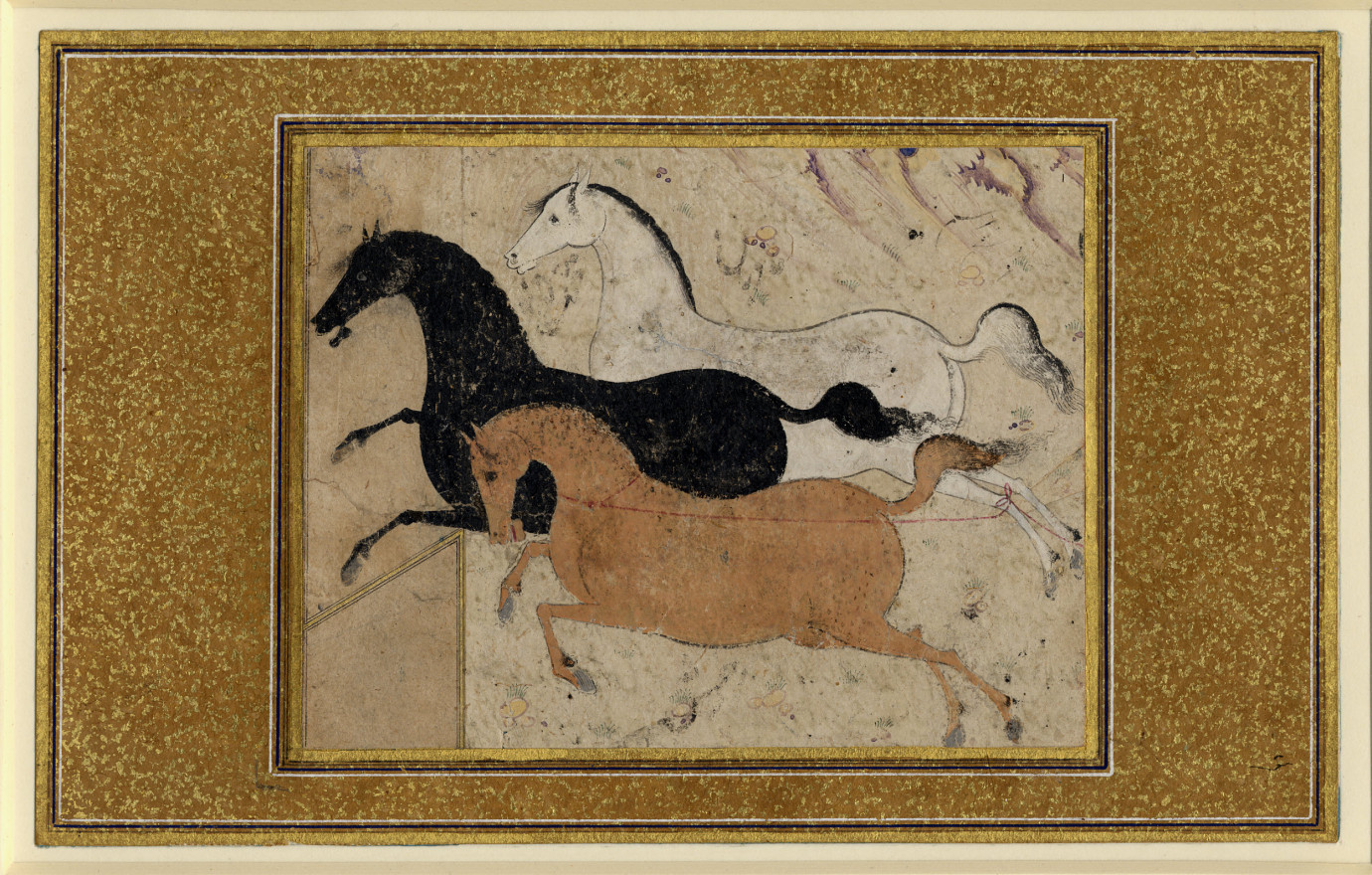
Nasrudin was in the marketplace listening to a horse dealer’s sales pitch. “This is the most exquisite horse in this village,” the seller exclaimed. “It is lighting fast and never gets tired. In fact, if you left this village right now, you would get to Samarkand at five a.m. in […]

Al Qayyum The Self-Sustaining Exalted and Glorious Allah! La ilaha illa Huwa (none has the right to be worshipped but He), Al-Hayyul-Quyyum (the Ever Living, the One Who sustains and protects all that exists.) (3:2) Allah! La ilaha illa Huwa (none has the right to be worshipped but He). Neither […]
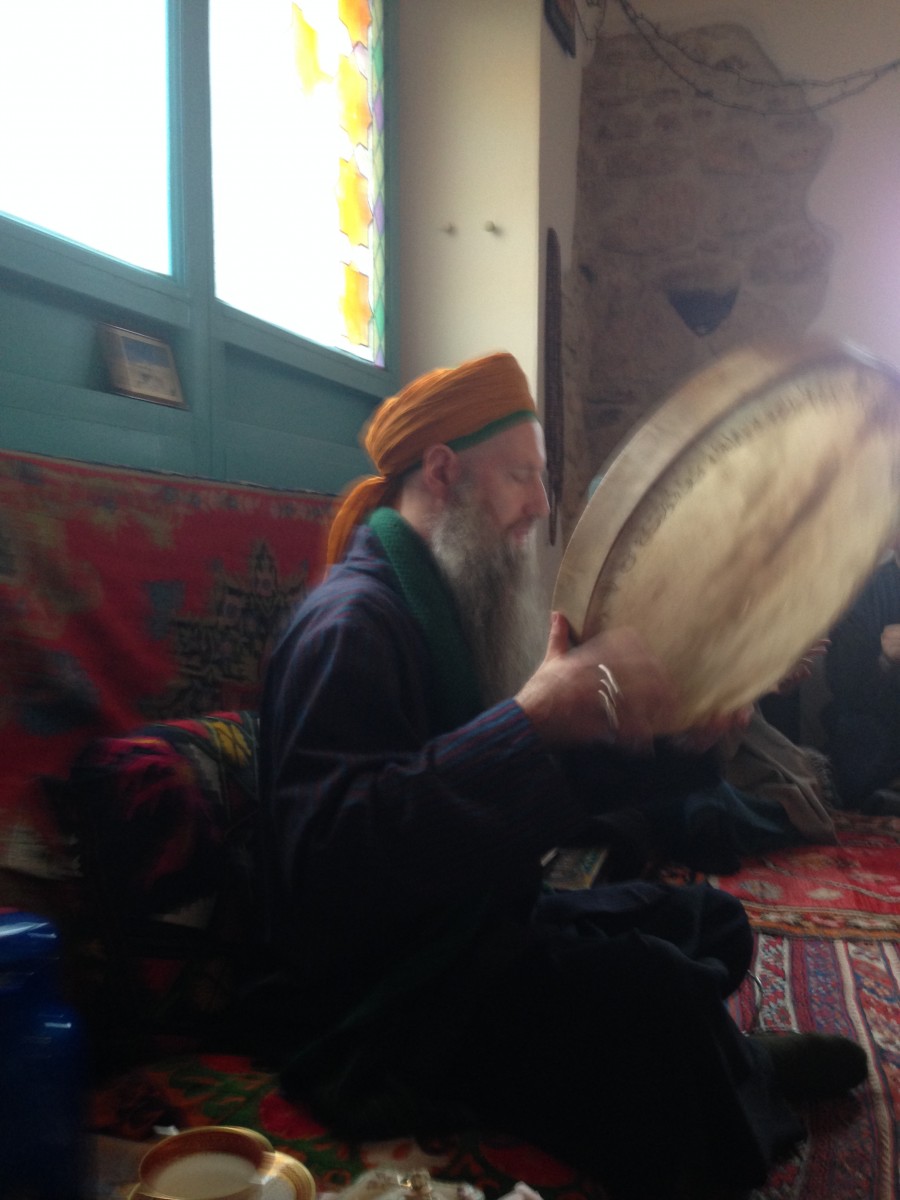
We have fallen into the place where everything is music. The strumming and the flute notes rise into the atmosphere, and if the whole world’s harp should burn up, there will still be hidden music playing, playing. This singing art is sea foam. The graceful movements come from a pearl […]
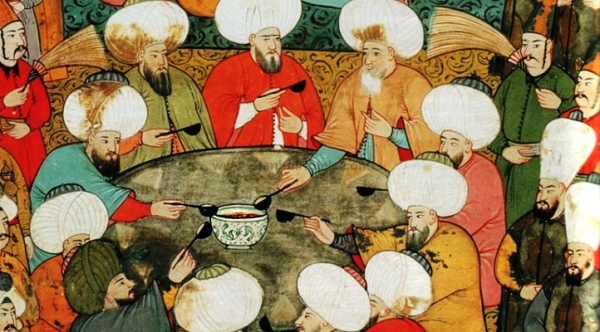
8) Il raccoglimento (Yad Dasht) Il «raccoglimento» significa: ricordo continuo, il mantenere il proprio cuore alla presenza divina, avvicinarsi alla verità. La contemplazione, la consapevolezza costante alla presenza divina. L’osservanza degli ultimi cinque principi del nostro ordine apre la connessione al mondo dell’anima. Il derviscio plasma il mondo esteriore in […]
Al Hayy The Alive Exalted and Glorious His kursi extends over the Heavens and the Earth, and He feels no fatigue in guarding and preserving. And He is the Most High, the Most Great. (2:255) Allah! La ilaha illa Huwa (none has the right to be worshipped, but He), al-Hayyul-Qayyum […]
L’attenzione (Nigah Dasht) Nigah significa «vista», «attenzione». Questo principio è l’invito ad essere vigili e ad osservare il proprio cuore e a salvaguardarlo, impedendo che sia preda di pensieri nocivi. Significa essere consapevoli della direzione che la propria attenzione segue, nel momento, e senza formulare giudizi invitarla ad andare in profondità. […]
“People on the night of Laylatu Qadr are going to be on several different levels. No doubt we are on the lowest level, so we are hoping in this night to attain the honour and illumination granted in it. When we reach a higher level and as it is a […]
Al-Mumit The Giver of Death Exalted and Glorious La ilaha illa Huwa (none has the right to be worshipped, but He). It is He Who gives life and causes death. (7:158) This name is an attribute of Allah which means the Giver of Death. The mysteries of life and death […]
Al-Muhyi The Giver of Life Exalted and Glorious Look then at the effects of Allah’s mercy: how He revives the earth after its death. Verily, that Allah shall indeed raise the dead, and He is able to do all things. (30:50) This name is an attribute of Allah which means […]
Mulla Nasrudin had just been visiting another village. Late night when he arrived home then he realized that he had lost his favorite copy of the Qur’an. Several days later, a goat walked up to the Nasrudin house, carrying the Qur’an in its mouth. Nasrudin couldn’t believe his eyes. He […]
6) Il ritorno (Baz Gasht) Per «ritorno» si intende «il ritorno ad Allah», «riconoscere l’unicità divina». L’ego cerca continuamente soddisfazione nel fare; deve avere sempre nuove idee, nuovi programmi, il passo successivo da compiere. Nello stadio del «ritorno» il derviscio scopre che non c’è nulla in realtà che egli possa […]

6) Il ritorno (Baz Gasht) Per «ritorno» si intende «il ritorno ad Allah», «riconoscere l’unicità divina». L’ego cerca continuamente soddisfazione nel fare; deve avere sempre nuove idee, nuovi programmi, il passo successivo da compiere. Nello stadio del «ritorno» il derviscio scopre che non c’è nulla in realtà che egli possa […]
Don’t surrender your loneliness so quickly. Let it cut more deep. Let it ferment and season you as few human or even divine ingredients can. Something missing in my heart tonight has made my eyes so soft, my voice so tender, my need of You absolutely clear. Hafiz “Everything which […]

Al Mu’id The Restorer. Who renews the creation from life to death in the material world, and Who, on the Day of Resurrection, will exchange death for life. So remember, O slaves of Allah, that is the Day for which you should work so that on it you may […]
5 ) Ricordo essenziale (“Yad Kard“) Il significato di Yad è dhikr, ricordo. Kard invece è l’essenza dello dhikr. Vuol dire concentrarsi sulla presenza divina. Non sei tu a fare l’atto di ricordare, è la Presenza in te che affiora, nel momento in cui ti fai da parte. Lo dhikr […]
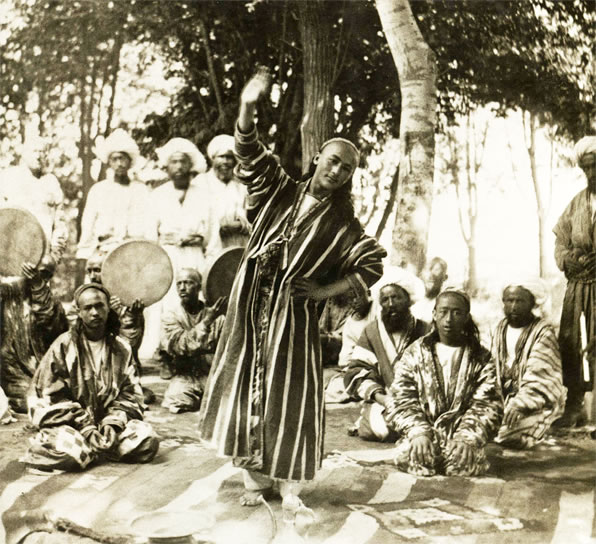
Dervishood tells me, you cannot become a dervish. So what can I tell you? You cannot become a dervish. A dervish needs a wounded heart and eyes full of tears. He needs to be as easy going as a sheep. You can’t be a dervish. He must be without hands […]
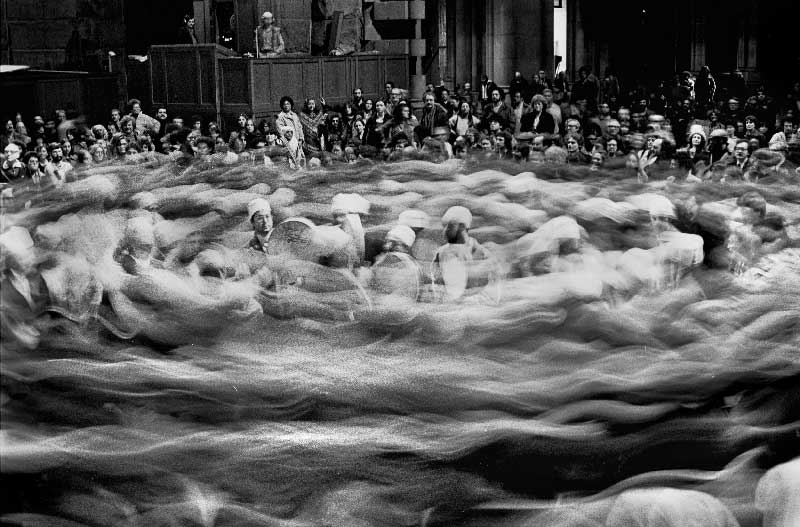
4) La solitudine nella folla (Khalwat dar anjuman) Khalwat significa «ritiro». La tradizione dice che la perfezione non è esibire poteri miracolosi ma è sedersi in mezzo agli altri, vendere e comprare, sposarsi e avere figli, senza lasciare mai, neanche per un istante, la presenza divina. Ecco «la solitudine nella […]
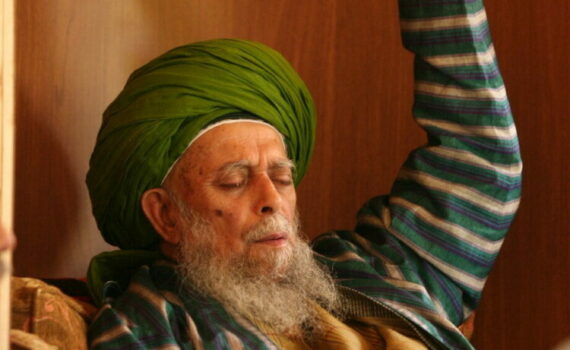
“Anytime you loose control over yourself, or you are in a difficult situation, you can be in contact with my heart immediately. If you just think about me there will be a relationship with me, and I will look at you. That connection will cause a power to run quickly […]

3) Il viaggio interiore (Safar dar watan) Significa «viaggiare verso la propria terra natale». In persiano e in arabo sàfar vuol dire «viaggio». Nella tradizione chiamiamo tutti sàfari, «viaggiatori», poiché la destinazione comune del nostro viaggio attraverso l’esistenza è fare ritorno a casa. Non è un’evoluzione verso qualcosa bensì un […]